
If you are trying to place the KAILAS FUGA EX 3 within the trail-shoe market, start with three familiar names: the HOKA Speedgoat 7, Salomon Genesis 2 and Saucony Xodus Ultra 4.
All four shoes are designed to provide cushioning, protection and traction across varied terrain. The difference lies in what each shoe prioritises.
The FUGA EX 3 places particular emphasis on a secure hold, planted heel and controlled descending. The Speedgoat 7 offers deeper tread and responsive cushioning. The Genesis 2 takes a more agile approach to technical ground. The Xodus Ultra 4 concentrates on long-distance comfort.
Four approaches to the same trail
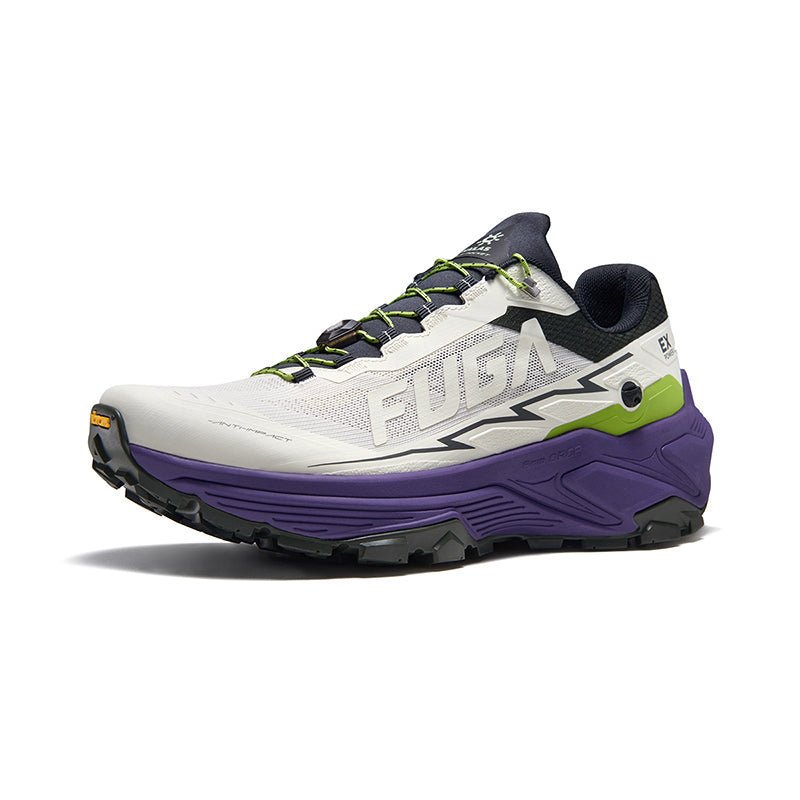 KAILAS FUGA EX 3Secure and planted
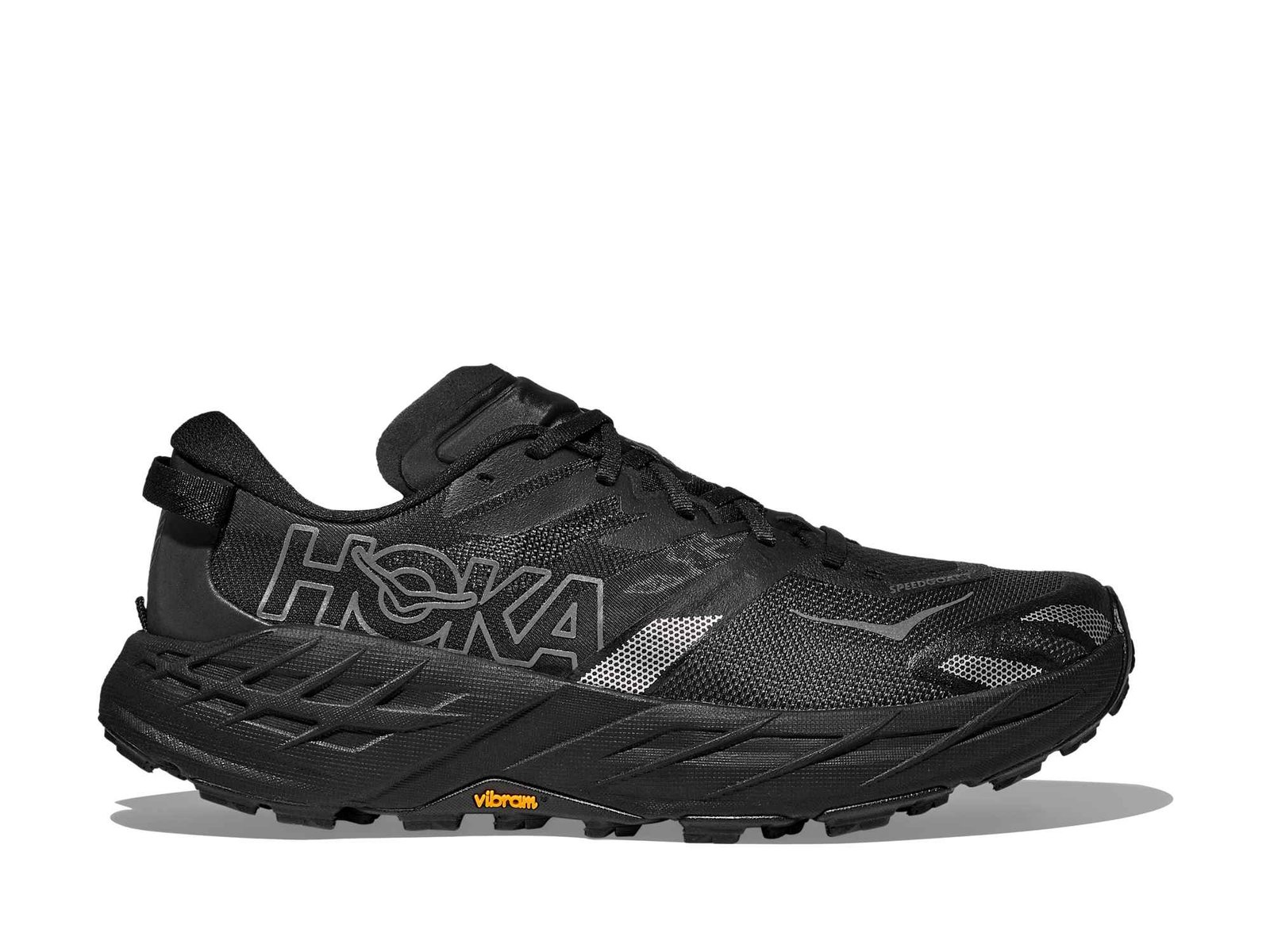 HOKA SPEEDGOAT 7Responsive and mountain-ready
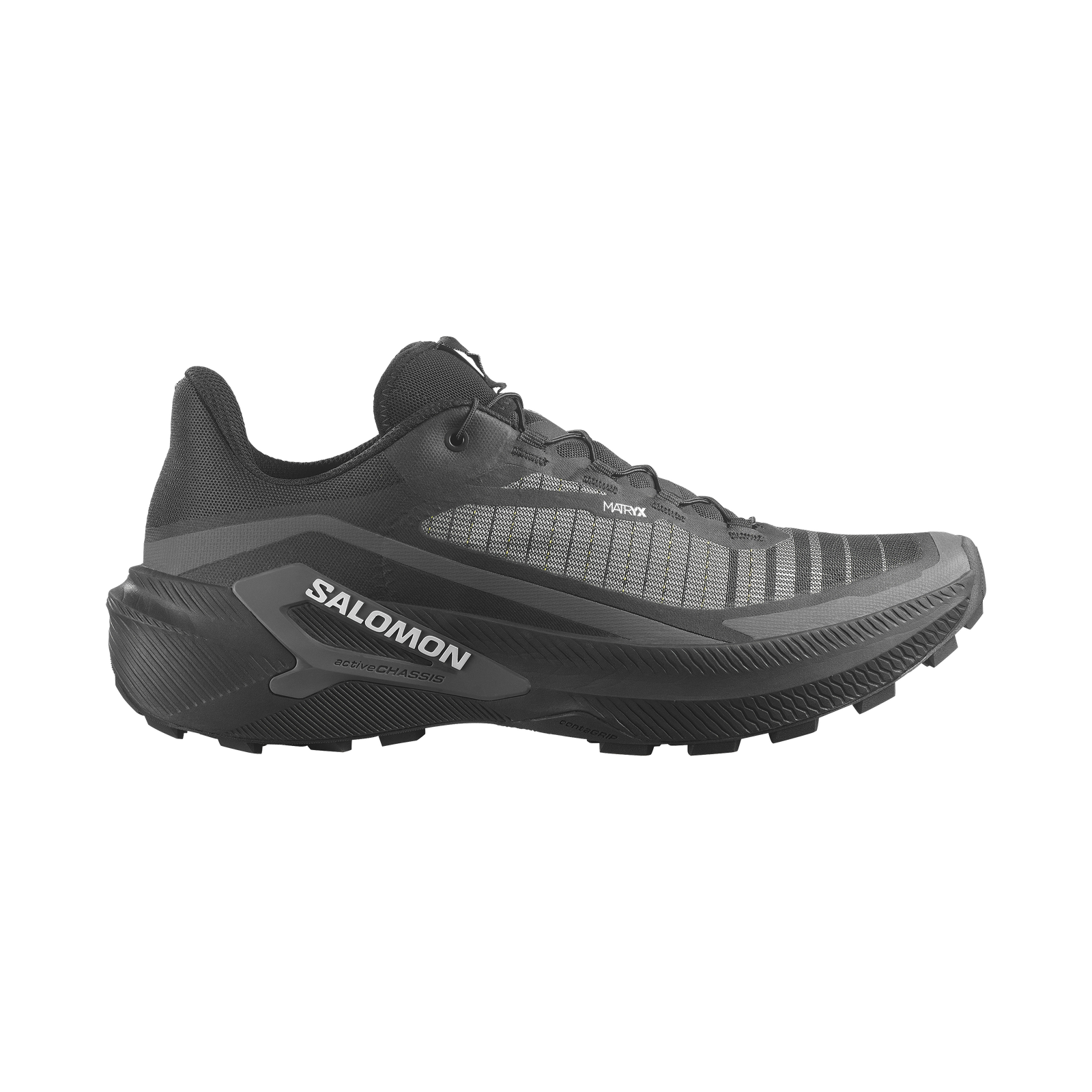 SALOMON GENESIS 2Precise and technical
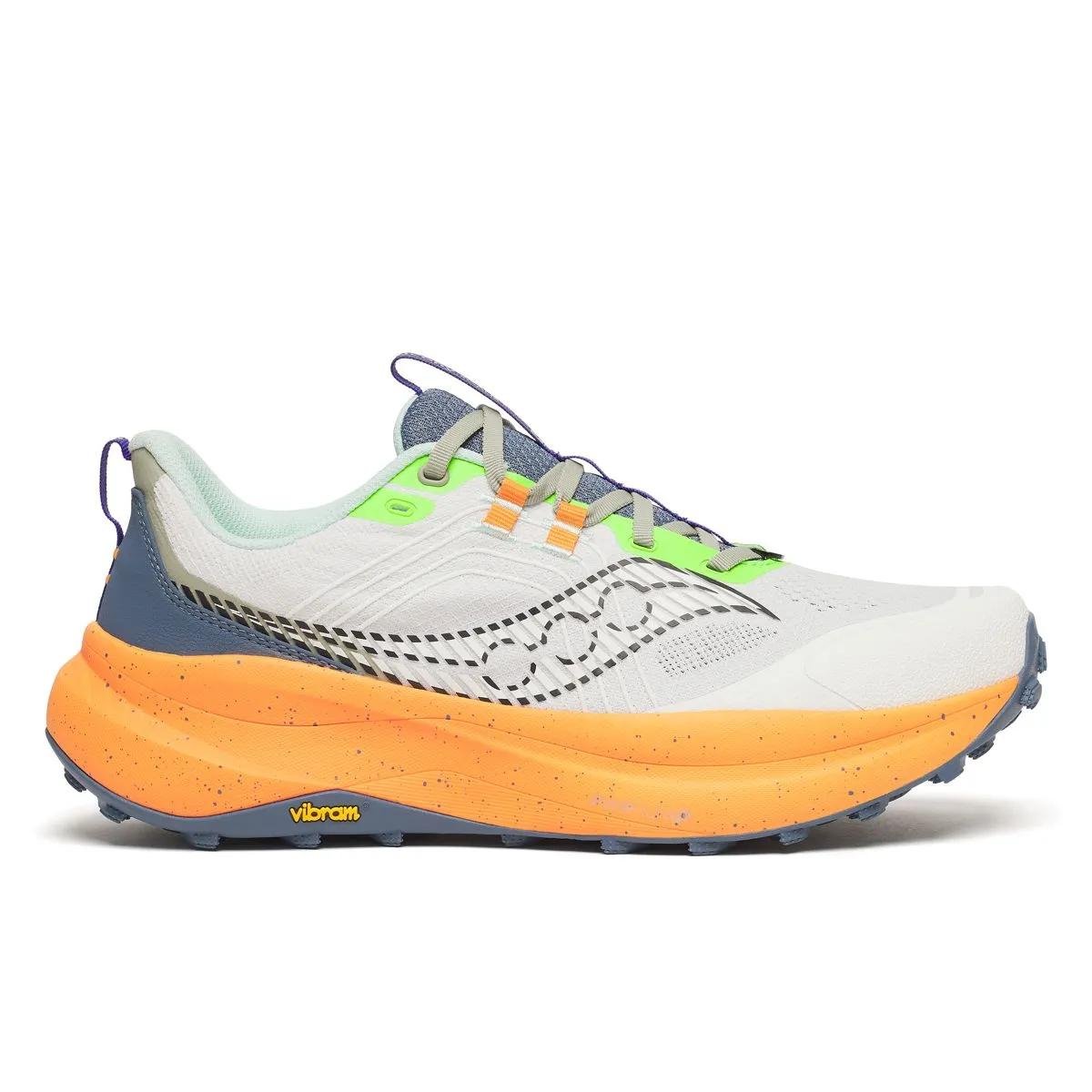 SAUCONY XODUS ULTRA 4Cushioned and protective
Official product imagery from KAILAS, HOKA, Salomon and Saucony.
The quick comparison
| Shoe | Listed drop | Lug depth | Best suited to |
|---|---|---|---|
| FUGA EX 3 | 8 mm | 4 mm | Lockdown and controlled descending |
| Speedgoat 7 | 5 mm | 5 mm | Mountain versatility and deeper tread |
| Genesis 2 | 8 mm | 4 mm | Rocky and technical terrain |
| Xodus Ultra 4 | 6 mm | 4 mm | Long-distance cushioning and protection |
These figures come from the manufacturers. Specifications alone cannot determine comfort or fit, and this is not a controlled side-by-side wear test.
KAILAS FUGA EX 3 vs HOKA Speedgoat 7
The Speedgoat is the best-known benchmark here. Its super-critical EVA midsole aims for a more responsive ride, while its Vibram Megagrip outsole uses 5 mm traction lugs.
The EX 3 also uses Vibram rubber, but its 4 mm lugs and ECCEVAI midsole create a more controlled character. Its AWS closure separates forefoot and instep adjustment, while the structured rear holds the heel particularly firmly.
Choose the Speedgoat 7 for deeper tread, a lower listed drop and a livelier ride. Choose the EX 3 for more deliberate lockdown and descending control.
KAILAS FUGA EX 3 vs Salomon Genesis 2
The Genesis 2 is the closest match on paper. Both list an 8 mm drop, 4 mm lugs and a men’s weight around 285 g, although the brands use different reference sizes.
Salomon combines Quicklace, a Matryx upper and activeCHASSIS to balance stability with movement. The EX 3 feels more substantial through its broad rear platform and raised sidewalls, while its AWS system lets the forefoot and instep be adjusted separately.
Choose the Genesis 2 for a more agile technical-trail feel. Choose the EX 3 for a more planted heel and two-zone hold.
KAILAS FUGA EX 3 vs Saucony Xodus Ultra 4
The Xodus Ultra 4 shares the EX 3’s listed 36 mm heel stack, 4 mm lugs and full Vibram Megagrip coverage. Its PWRRUN PB cushioning sits inside a more supportive PWRRUN frame.
At a listed 309 g, the Saucony is the heaviest shoe here and is shaped around sustained comfort. The EX 3 is lighter and places more emphasis on holding the foot securely.
Choose the Xodus Ultra 4 for long-distance cushioning. Choose the EX 3 for a firmer, more connected and secure feel.
Which trail shoe suits you?
Choose the HOKA Speedgoat 7 if you want responsive cushioning, 5 mm lugs and a versatile mountain shoe with a lower listed drop.
Choose the Salomon Genesis 2 if your routes are technical and you want stability without losing an agile, precise feel.
Choose the Saucony Xodus Ultra 4 if maximum cushioning and protection over long or ultra-distance outings are the priority.
Choose the KAILAS FUGA EX 3 if you value its two-zone adjustment, secure rear hold and planted descending feel more than a soft, springy ride. Wider feet should start with an official Wide version where available.
The EX 3 is the less familiar name, but not the odd shoe out. It is KAILAS’s secure, controlled interpretation of the dependable mixed-terrain trail workhorse.
Section 2 of our full review covers stack, fit geometry, construction, weight and the expanded competitor table.
Read the KAILAS FUGA EX 3 review: fit, weight and constructionEditorial note: specifications and official product imagery were checked 19 November 2026. This comparison is based on published construction and measurements, not a controlled four-shoe wear test. Product links above open manufacturers’ websites and are not affiliate links. Read our editorial and affiliate disclosure.