An ordinary running shoe can be perfectly reasonable when grip and protection are not limiting you.
SHORT READS /TRAIL NOTES / 003Do You Really Need
Do You Really Need
Trail-Running Shoes?
The difference becomes clearer when the ground gets loose, steep, muddy or rocky—not when a marketing campaign tells you it should.
3 MIN READ · BEGINNER FOOTWEAR GUIDE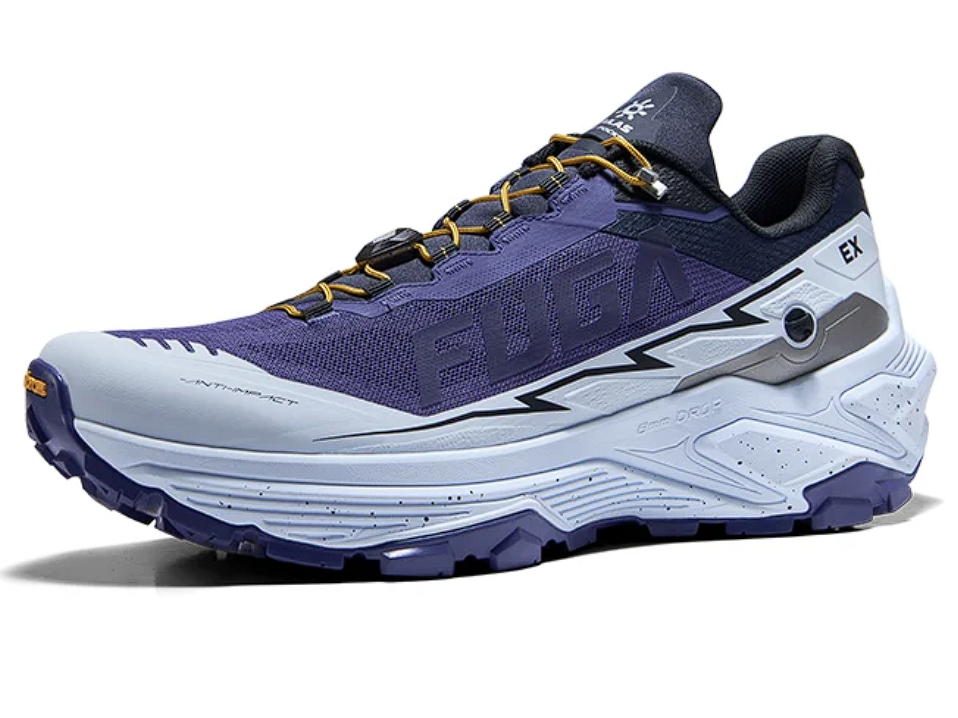
You do not need trail-running shoes simply because your route leaves the pavement. A smooth, dry park path may ask very little from your footwear. The case for a trail shoe strengthens as the surface becomes less predictable.
Trail-specific features become useful when the terrain starts changing how confidently you can move.
01 / GRIP
The outsole is the clearest difference.
Road shoes are designed mainly for predictable surfaces. Trail shoes use raised tread—usually called lugs—to find purchase in loose soil, mud and broken ground.
Trail-focused rubber compounds can also improve confidence on rock and uneven surfaces. Deeper is not automatically better: short lugs may feel smoother on hard-packed paths, while deeper, widely spaced lugs are more useful where the ground is soft.
- Lugs create edges that can bite into loose terrain.
- Rubber choice matters as much as the tread pattern.
- Your usual surface should decide how aggressive the outsole needs to be.
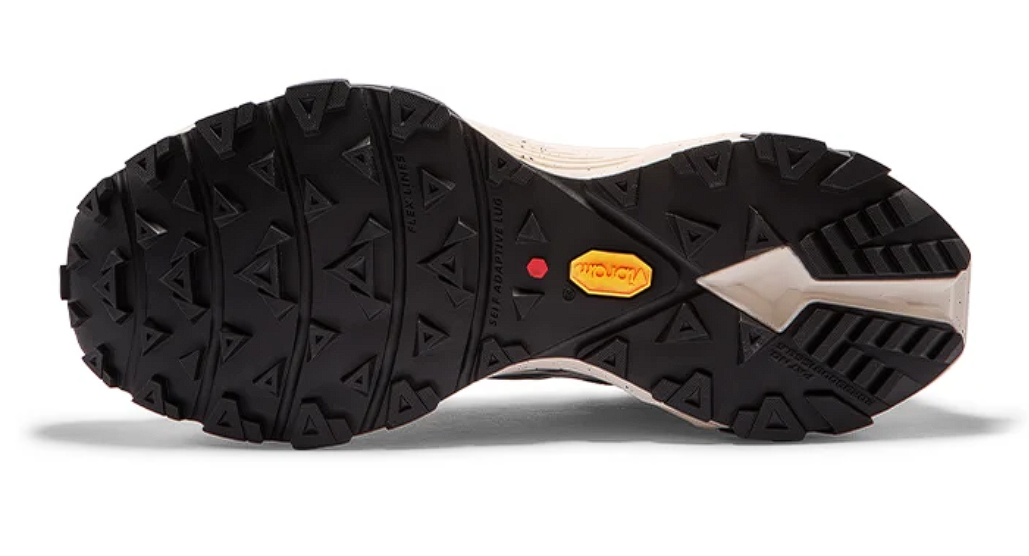 Multidirectional lugsTrail rubber
02 / LOCKDOWN
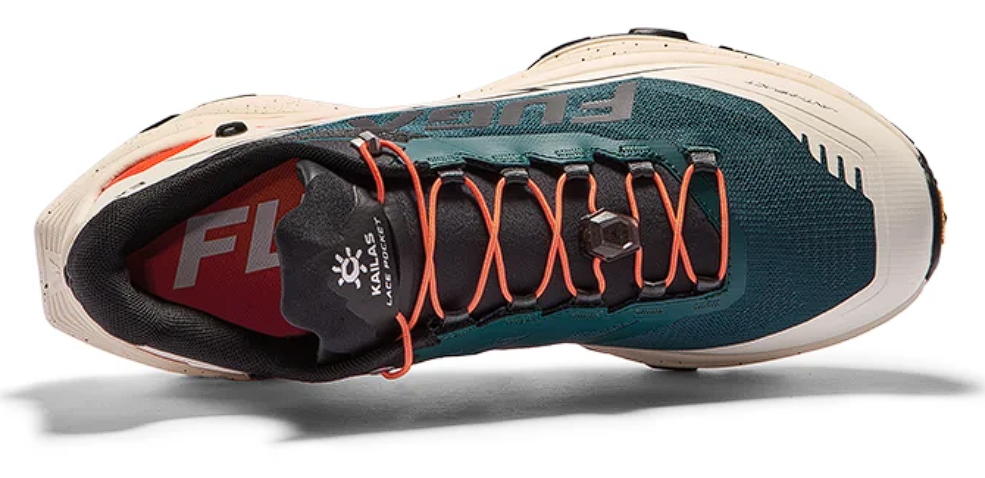
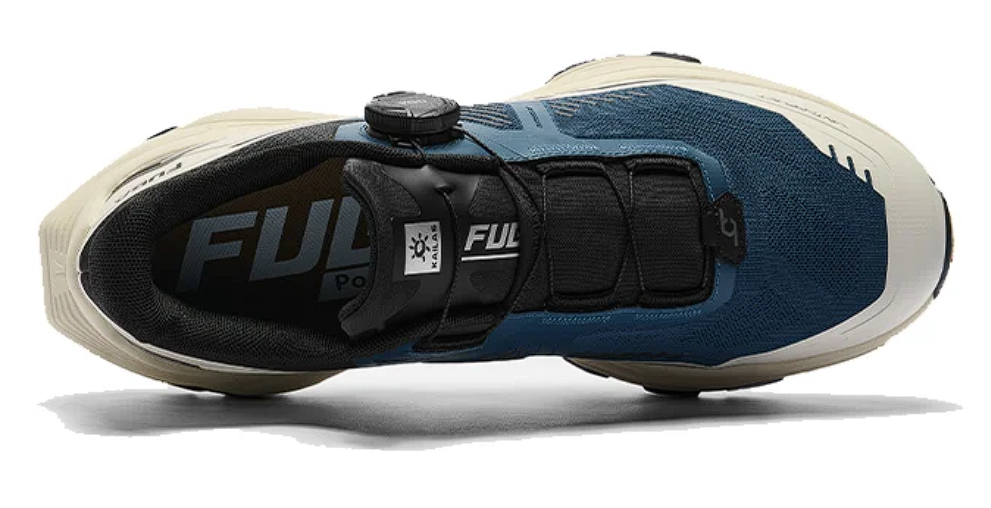
Your foot should stay connected to the shoe.
Uneven ground creates sideways and downhill forces that are less common on a flat road. A secure heel and midfoot help stop the foot sliding inside the shoe when you turn, descend or land off-centre.
Closure systems approach that job differently. Neither is automatically superior, and not every trail shoe uses either of the mechanisms shown here.
03 / PROTECTION + STABILITY
Useful structure, placed where the trail can reach you.
A reinforced toe area can soften knocks from roots and stones. Heel structure and a broader contact platform can make awkward landings feel more controlled. Some models add a rock plate beneath the foot to spread pressure from sharp edges.
Protection has a trade-off: more material can add weight, warmth and stiffness. The right amount depends on whether your routes are smooth and runnable or sharp, technical and slow.
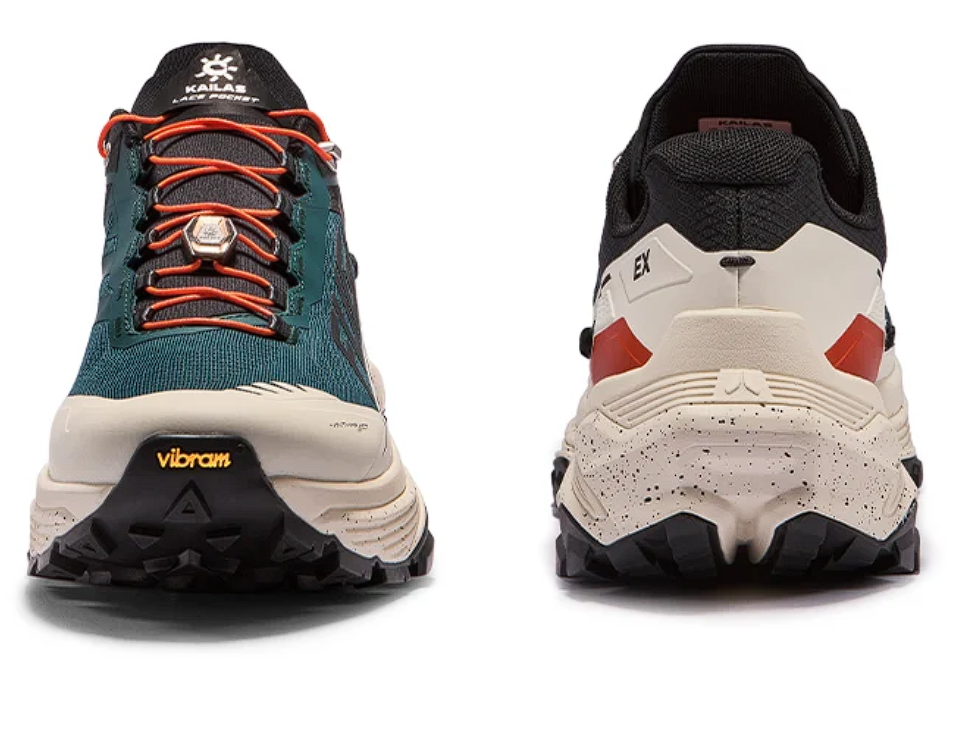 Toe protectionHeel support
04 / THE REST OF THE SHOE
Built for contact, without becoming a boot.
Trail uppers often use tighter weaves, welded overlays or reinforced zones to better tolerate dust, branches and repeated flexing. They still need to release heat, so durability and breathability have to be balanced rather than maximised independently.
REINFORCED, NOT SEALEDSpread pressure from sharp stones beneath the foot.
Give compatible gaiters somewhere to attach and help keep debris out.
Balances cushioning with stability and ground control on uneven surfaces.
Not every trail shoe includes every feature. More technology is not automatically more suitable.
THE SIMPLE ANSWER
Upgrade when the trail—not the marketing—gives you a reason.
Start with the shoes you own on gentle, dry terrain. Choose trail shoes when grip, protection and control become the difference between cautious steps and confident movement.
Explore the Footwear Edit Read the beginner’s guide